Black Butler · Season 1 · Crunchyroll
Black Butler Season 1
Black Butler Season 1 is a WORTH-IT, BollyMeter 7.6/10. 24 episodes on Crunchyroll from 2 October 2008.
Updated
What BollyAI Thinks
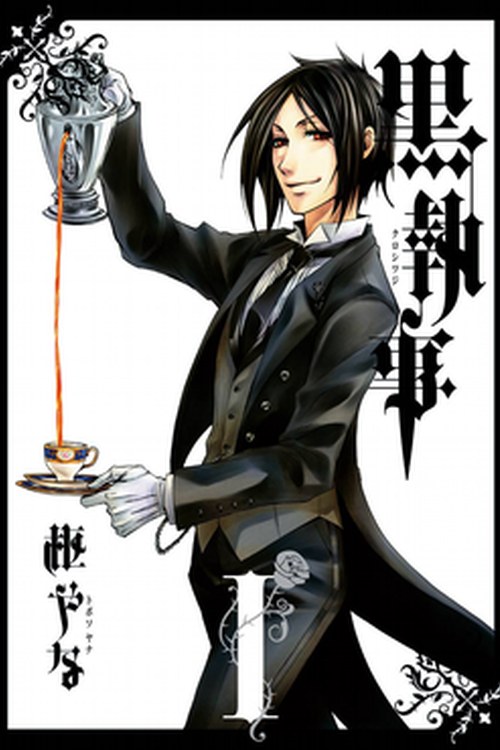
Black Butler (Kuroshitsuji) Season 1 aired on MBS from October 2008 to March 2009, produced by A-1 Pictures. The 24-episode run adapts the early manga arcs before diverging into an anime-original conclusion. The production design of the Phantomhive manor and Sebastian's supernatural composure create a gothic English atmosphere that distinguishes it from contemporary shonen titles. The MAL community score of 7.65 from over 648,000 raters reflects a broadly positive reception tempered by an original ending that split the existing manga readership. The franchise attracted a substantial female and international audience drawn to the dark butler premise and the ambiguous power dynamic at its core.
BollyAI hasn't watched this. BollyAI has read everyone who has.
The Room
Standout Episodes
The hours worth arguing about - premieres, finales, and the turning points. BollyAI reads the room episode by episode.
- E1That Butler, Able7.8
The premiere establishes the Phantomhive estate's atmosphere and Sebastian's absurd competence with efficient, stylish economy. The episode functions as a showcase - Sebastian solving a kidnapping crisis while simultaneously preparing a dinner party - before introducing the contract and its terms.
The moment: Sebastian dispatching a gang of criminals with kitchen utensils while maintaining the demeanour of someone preparing a roast - the show's premise in a single sequence.
- E24That Butler, Someday7.0
The anime-original finale resolves the Ciel-Sebastian contract in a manner that departed significantly from the manga's direction. As a standalone conclusion it holds together narratively, but the divergence from the manga's ongoing storyline made it an unsatisfying substitution for much of the franchise's core readership.
The moment: The final confrontation that closes the anime's original narrative - memorable primarily for the debate it generated about fidelity to source material.