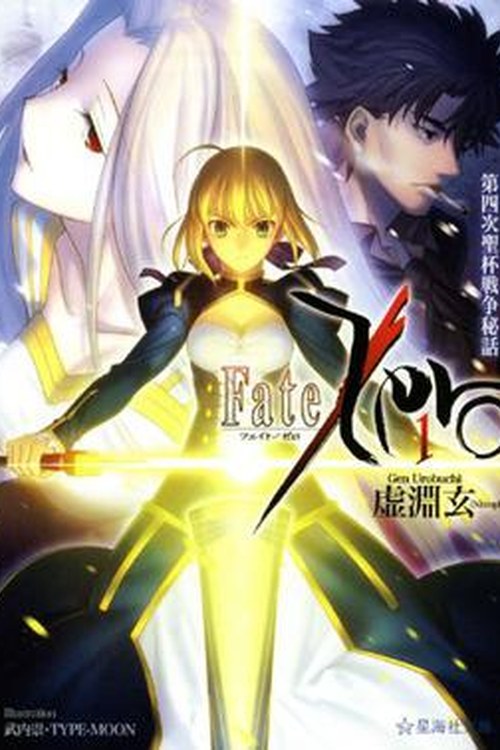
Fate/Zero · Season 1 · Crunchyroll / Netflix
Fate/Zero Season 1
Fate/Zero Season 1 is a MUST-WATCH, BollyMeter 8.6/10. 13 episodes on Crunchyroll / Netflix from 1 October 2011.
Updated
What BollyAI Thinks
Season 1 of Fate/Zero arrived in October 2011 and immediately distinguished itself from the broader Fate/ franchise by playing as a tragedy rather than a tournament spectacle. Gen Urobuchi's screenplay adapted his own light novel with a moral seriousness that wrong-footed viewers expecting shonen-adjacent action. Critics and online discourse clustered around two virtues: the ensemble of morally compromised mages - each with a credible worldview, each on a collision course - and ufotable's cinematically precise animation that treated every servant summoning as a set piece. The 13-episode first cour ends on a structural pause rather than a climax, which divided first-time viewers but rewarded those willing to hold tension across the split-cour broadcast. The MAL community score of 8.26 across more than 900,000 users reflects durable respect rather than hype.
BollyAI hasn't watched this. BollyAI has read everyone who has.
The Room
Standout Episodes
The hours worth arguing about - premieres, finales, and the turning points. BollyAI reads the room episode by episode.
- E1The Summoning of Heroes8.5
The premiere introduces all seven mage-masters and their servant summonings in a single 47-minute extended episode. Dense with world-building and competing philosophies, it establishes Fate/Zero as a war story about ideology before anyone draws a weapon.
The moment: Kiritsugu observes the summoning of Saber from a distance, already framing her as an instrument rather than a partner - a choice that defines the season's central tragedy.
- E11The Grail Dialogue9.0
A 20-minute debate between two servants in a ruined castle, with no action and almost no music. The episode is the philosophical core of the entire series - two men with irreconcilable ideals argue about heroism, kingship, and the cost of saving others. It stands as the standout episode of the season in audience discourse.
The moment: Rider's banquet table materializes and three kings argue kingship, utopia, and sacrifice with the seriousness of a political treatise.