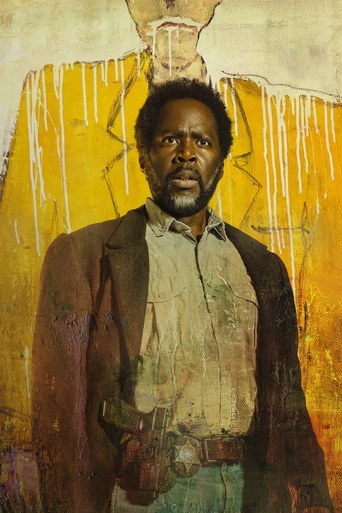
From · Season 2 · Episode 2 · 30 April 2023
S2E2 The Kindness of Strangers
A tense hour where a bus turns rescue sour, Boyd's death wish bites, and the late save earns its breath.
THE MOMENT Martin's delirious blood-transfer, played less like horror than like a ritual neither man fully consents to.
A two-hander in a hole in the ground, and the season's quietest episode by the numbers, 72 words a minute, most of them between Boyd and a dying stranger whose first words are a request to be killed. Boyd answers with Marine code, leave no man behind, and the episode spends its runtime testing whether that ethic is mercy or...
Full episode analysis below. Spoiler-light verdict above.
Updated
A bus sits outside the diner, and nobody treats it like salvation. That is the hour's smartest first move. In another show, a bus means roads, maps, a driver, a way back to the ordinary world. Here, it is an alarm with wheels. Panic spreads before anyone has enough information to justify panic, which is exactly how this place works. The episode's central idea is blunt and effective: help arrives looking like danger, and danger keeps borrowing the language of rescue. Survival stops feeling like a plan and starts feeling like a reflex.
A Bus Is a Rescue Until It Stops Moving
The opening discovery gives the episode its shape. Characters find the bus parked outside the diner, and the frame tightens around reaction rather than explanation. The immediate panic matters because the bus itself is ordinary. No monster has to appear for the first jolt to land. The object is wrong because it is in the wrong place, carrying the wrong promise.
That is a strong horror instinct. A familiar thing becomes frightening when it refuses familiar rules. A parked bus should extend the world. This one shrinks it. It brings more people, more questions, and less time. The early spike of confusion, including a shocked exclamation as tension rises, keeps the scene from turning into procedure. Nobody gets to pause, agree on terms, and form a committee. The hour moves like people counting exits while the room fills with smoke.
The tonal shifts help the craft: frantic dialogue breaks into long silences, including stretches of 123 seconds and 100 seconds. That rhythm matters. A burst of voices, then the punishment of waiting. The episode keeps placing its characters in the gap between action and knowledge, where From is most effective. The bus answers nothing. It parks the newest question in the most public place possible.
Boyd Asks for the Wrong Mercy
Boyd gets the episode's harshest contradiction. At his lowest point, he begs, "Please, then just kill me." The line lands because it is stripped of performance. This is no speech about despair. It is a request. The episode gives him the bluntest expression of suffering, then refuses to let that define his final function.
That turn is the hour's spine. Boyd wants death as an end to pain, but the episode bends him back toward survival. He remains alive, and he ends up urging others to survive. That plays better than a clean heroic reset because the contradiction stays visible. The man asking to be killed remains inside the man pushing others forward. That gives the episode its most human pressure.
The writing helps by refusing to over-explain him. A weaker version would make Boyd declare the lesson of endurance. This one lets the reversal happen through need. People are still trapped. Morning has not solved the forest. The bus has made the crisis larger. Boyd's death wish becomes one more thing the episode has to drag through the dark.
There is a cost to that restraint. The hour depends on Boyd's turn carrying emotional weight, and the sparse shape around it can make the shift feel abrupt if reduced to plot mechanics. Still, the idea is clean: in From, even wanting out does not release a person from responsibility. Death may sound like mercy. The episode treats survival as the ruder demand.
The Tunnel Buys Time, Not Peace
The decision to hide in a tunnel until morning is practical, but the episode stages it as surrender to uncertainty. A tunnel gives cover without comfort. It protects bodies while giving fear more room to echo. That distinction gives the middle stretch its nervous charge.
The hour keeps using containment as pressure. People are hidden, voices are trapped, and the language of release starts to curdle. Captive voices beg to be let out, turning rescue into another dangerous choice. Open the wrong thing, and survival may become someone else's punishment. Refuse, and the moral burden stays in the room. The episode works best when it lets that kind of decision sit without polishing it into nobility.
The warning of "Don't." works in the same register. One word, no elegance, all alarm. It belongs in a place where explanation arrives too late. The craft here is in the stop and start pacing. Dialogue fires off, then silence takes over, and the silence is never empty. It is the tunnel doing its job too well.
This section also exposes the episode's limitation. Some internal conflict is signaled more sharply than it is shaped. A later admission of distrust gives the hour friction, but it plays more like a marker than a fully built rupture. The tension is real. The scene could use one more turn of the screw.
Guilt Stays at the Diner
The diner becomes more than a setting because the episode attaches regret to it. A survivor looks back on staying there with guilt, a smart pivot from immediate fear to aftermath. Panic is loud. Guilt remains when the shouting stops.
That regret fits the episode's larger argument about kindness. Help never arrives cleanly here. Staying put, hiding, waiting, trusting, refusing trust: every choice carries the possibility of becoming the wrong choice later. The diner, introduced through the bus panic, turns into a moral waiting room. People are asking what will keep them alive, then what they will have to live with afterward.
Julie sharpens that idea through a simpler emotional line. She wants to stay with her dad in the diner, and later she is rescued with him. The beat works because it ties the cosmic strangeness back to family-scale fear. The forest, the bus, the tunnel, the mysterious tree: all of that matters, but Julie's need is plain. She wants to remain with her father. The episode earns feeling by keeping that want small and direct.
The rescue with her dad also keeps the hour from becoming only a machine of dread. It gives the episode a release valve without pretending the danger has ended. The save matters because the episode has spent so much time making every shelter feel temporary. In this place, being found only buys the next breath.
The Rescue Arrives Late Enough to Hurt
The late shout that someone is alive turns the final movement into action, but the timing is the craft. The rescue begins after the hour has established panic, despair, hiding, distrust, and guilt. By then, survival feels less like triumph than damage control. That is the right temperature for this series.
The episode also keeps two open loops alive without overloading the ending. The mysterious tree remains a problem with meaning still withheld, and the question of escaping the forest before nightfall stays urgent. Those threads matter because they keep the rescue from closing the hour too neatly. A person can be pulled out, a crowd can gather, someone can shout for everyone to get outside, and the forest can still have the larger claim.
That balance is where the episode earns its title. The kindness here is frantic, suspicious, sometimes delayed, sometimes incomplete. Strangers do not fix the nightmare by arriving. They make the nightmare more crowded. The best moments understand that multiplication of need: more bodies to protect, more panic to manage, more chances to choose badly.
The final rescue beat gives the episode momentum into the season without selling false relief. The hour lets the save feel good for a second. Then the larger trap remains.
The Verdict
"The Kindness of Strangers" is a tense, solid Season 2 hour built around one sharp reversal: rescue keeps arriving in forms nobody can trust. The bus outside the diner is the perfect inciting image, Boyd's plea for death gives the episode a raw emotional center, and the tunnel material turns waiting into its own kind of threat. The weakness sits in under-shaped distrust, where the hour states fracture more cleanly than it dramatizes it. Still, the pacing has teeth, especially in the way frantic bursts give way to long, punishing silence. As the season's second chapter, it expands the crisis without losing sight of the smaller human fear: stay with your people, survive till morning, and hope rescue is not another trap. BollyAI's read: 7.8 out of 10.