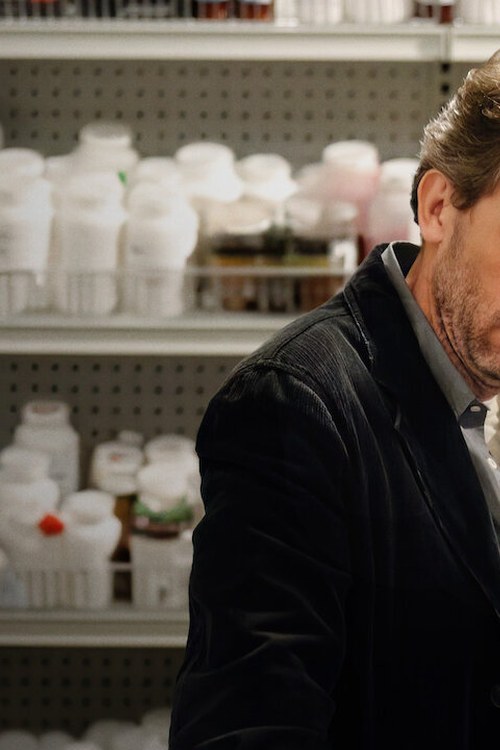
House M.D. · Season 6 · Episode 19 · 26 April 2010
S6E19 Open and Shut
The case cracks clean, but the episode’s edge is how it judges certainty as a moral failure, not just a wrong turn.
A patient’s symptoms refuse to sit still. The team locks onto the story the body is “telling,” then the case flips like a card trick when a simple assumption turns out to be a lie. House watches the room rehearse certainty, and then he does the one thing everyone else avoids: he
Full episode analysis below. Spoiler-light verdict above.
Updated
House M.D. S6E19: "Open and Shut" Review
Spoiler-light verdict above. Full episode analysis below.
COLD OPEN
A patient’s symptoms refuse to sit still. The team locks onto the story the body is “telling,” then the case flips like a card trick when a simple assumption turns out to be a lie. House watches the room rehearse certainty, and then he does the one thing everyone else avoids: he pokes the contradiction until it bleeds. By the time the diagnosis lands, the real injury is not the one inside the patient.
The Verdict That Matters: This Hour Treats Diagnosis as a Moral Choice, Not a Puzzle
BollyAI's read: S06E19 is one of those House hours where the medical mystery is almost the decoy. The episode is built like a pressure test. It uses a typical diagnostic arc as the surface tension, then drives a quieter theme underneath: whether the people in the room can admit what they are doing, or whether they hide behind procedure and “best guesses” until it costs someone real.
What makes the episode work is its stubborn refusal to let the team off the hook. The writing doesn’t just ask for the right answer. It asks for the right kind of honesty while chasing it. House is at his best here when he is not performing cruelty for sport, but forcing clarity when everyone else is bargaining with denial.
-
The Case File Lies: When “Symptoms” Are Just Alibis
The episode starts in the familiar place: a patient arrives with a cluster of complaints that looks legible if you squint the same way everyone else does. The patient is the usual House prop, but the show makes a point of how quickly that prop becomes a narrative. The team sees a pattern, then treats the pattern like evidence of truth.
The writing’s trick is that it lets the first working theory feel plausible long enough to be dangerous. Not because the doctors are stupid, but because the case tempts them into comfort. Once they commit, every new detail becomes either confirmation or annoyance. The episode’s diagnosis mechanics keep clicking forward, but the real emphasis is on the decision to stop questioning the story you already want.
That’s where House’s presence sharpens the tension. House doesn’t just search for a diagnosis. He searches for where the room’s logic becomes decorative. He pushes until someone has to say, out loud, what the team has been avoiding. BollyAI’s read is that the episode uses the medical case as a mirror: the patient’s body “confesses,” and the team’s minds try to negotiate the meaning.
-
The Team’s Comfort Zone Cracks: Virtue Signaling Masquerades as Care
In House, the team’s biggest flaw is rarely incompetence. It is defensiveness dressed up as competence. Dr. Cuddy tends to represent institutional pressure and consequence. In hours like this, that translates into the question of what the hospital demands versus what the case actually needs. When the team starts moving like a machine, the episode leans into the ethical discomfort of that speed.
Dr. Chase and Dr. Cameron (as the episode’s “inner friction” styles) represent different ways of trying to be “right.” Chase often treats uncertainty like a personal failure. Cameron often tries to soften the edges by appealing to what a compassionate approach would do. Both styles can serve the patient, but both styles can also become a way to avoid the ugliest part of medical judgment: sometimes you have to act without comfort.
The episode’s most pointed moments come when their instincts collide with the reality the case forces on them. BollyAI’s read is that S06E19 isn’t interested in showing teamwork as harmony. It shows it as argument with stakes, where someone’s belief has to lose for the diagnosis to win.
-
House’s Real Specialty: Turning Personal Avoidance Into Clinical Error
House’s genius is often sold as pattern recognition. The episode reframes it as something harsher. His “specialty” is turning personal avoidance into clinical error, then using that error to expose the truth. He does not merely mock. He audits.
House is at his most dangerous when the episode gives him a reason to care, even briefly. When the case shifts, it is not just the differential diagnosis that changes. The show also shifts who is accountable for the shift. House points at the room and says, in effect: your certainty is costing time, and time is costing a person.
BollyAI’s read: the script uses House’s interventions to make a craft point about suspense. The episode keeps you moving by withholding the “clean” explanation. It keeps you unsettled by making the wrong answer feel earned. Then, at the turn, it insists that the turn is not luck. It is the result of forcing the team to stop lying to itself.
-
The Ethical Pressure Cooker: Consent, Trust, and the Cost of Being “Right”
House hours do medical ethics best when they stop treating ethics as a separate courtroom scene and instead fold it into diagnosis itself. This episode leans into that. The patient’s situation is the stress test. The decisions the team makes about what to test, what to ignore, and what to tell are not neutral.
Dr. Foreman often functions as the “process” conscience. When he is at his sharpest, he pushes back against theatrics and insists on discipline. But House rarely lets discipline be an excuse for not seeing. So the episode makes the process clash with the person behind the process, and it does it in a way that forces uncomfortable questions.
BollyAI’s read, and this is the critique: the episode flirts with leaning too hard on House’s moral role without always letting the supporting characters fully metabolize what that role implies. In other words, the writing sometimes uses House as the ethical spotlight rather than building a long arc where the team changes. Still, even with that limitation, the episode’s best sequences are when it makes care feel like confrontation, not comfort.
-
The Verdict’s Hidden Punchline: The Diagnosis Solves the Body, But the Episode Judges the Minds
By the end, the medical mystery resolves in the usual House pattern: a final piece clicks into place, and the show lets the “how” land cleanly enough to satisfy the genre. The satisfaction is real, but it is not the point.
The point is the human ledger. The episode treats diagnosis like a moral choice. It asks who pushed the case forward, who delayed, who rationalized, and who treated uncertainty like an enemy instead of a tool. House is central to that ledger, but the episode’s lasting effect comes from the way it refuses to let the rest of the team stay purely procedural.
Season-arc awareness line: Season 6 is starting to compress its long emotional threads into forward motion, especially around the House-Cuddy relationship’s increased gravity. S06E19 uses its “case of the week” structure to keep that pressure cooker feel alive, even when the emotional plot is not the obvious headline. The episode is doing the same thing the season does at its best: turning character choices into consequences, one bedside decision at a time.
The Verdict
S06E19 is a tight, well-constructed House mystery hour that uses the medical plot as a delivery system for something sharper. BollyAI’s read is that the episode’s craft lies in how it makes the wrong path feel reasonable, then exposes the personal and ethical shortcuts that make it wrong. The diagnosis is the payoff, but the real win is the episode’s insistence that clinical judgment is also character judgment.
It is not perfect. The writing leans on House as the ethical engine more than it lets the team complete every emotional transaction. Still, the hour lands as one of those mid-season entries that understands what makes the series sting: truth in medicine is never just factual. It is costly.