Nana · Season 1 · Nippon TV
Nana Season 1
Nana Season 1 is a MUST-WATCH, BollyMeter 8.7/10. 47 episodes on Nippon TV from 5 April 2006.
Updated
What BollyAI Thinks
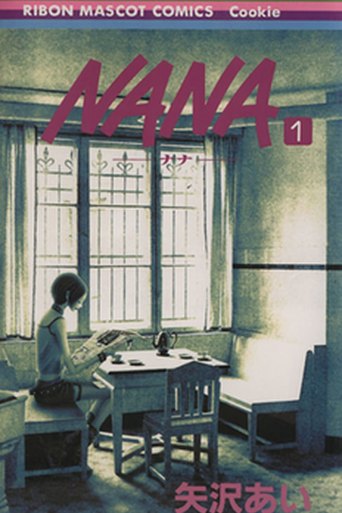
Nana aired on Nippon TV from April 2006 to March 2007, animated by Madhouse under director Morio Asaka, adapting Ai Yazawa's manga up to volume 12. The series tracks two women with the same name sharing a Tokyo apartment while pursuing opposite futures - one chasing punk-rock fame, the other romantic stability - and uses that symmetry to dissect how ambition and attachment corrode each other. ANN users gave it an arithmetic mean of 8.52, ranking it in the top 203 of over 10,000 titles; IMDb sits at 8.5. Star Crossed Anime's 92.5/100 review says it blows away just about every other romance. The series treats its adult characters with unusual honesty about addiction, co-dependency, and grief. Because the manga remained unresolved, the anime ends without full closure, and that lack of closure becomes part of how the story lands.
BollyAI hasn't watched this. BollyAI has read everyone who has.
The Room
“This isn't just a good romance, it blows away just about every other romance I've seen away.”
Star Crossed Anime
Standout Episodes
The hours worth arguing about - premieres, finales, and the turning points. BollyAI reads the room episode by episode.
- E1Two Nanas8.5
The premiere cross-cuts between the two Nanas on the same train to Tokyo, establishing their contrasting personalities with precise visual and tonal economy. The show's central question - how two completely different people become each other's most important person - arrives immediately.
The moment: The moment both women reach for the same seat - the collision that starts everything.
Full review of E1 → - E47The Story of Nana and Nana8.0
The final episode does not resolve the manga's larger arc, and it cannot, given the source material's state. It functions instead as an emotional pause, capturing where both Nanas stand without pretending to conclude. The series resonates with those who value its present-tense emotional focus, even as it leaves those seeking resolution wanting.
The moment: Nana Osaki's final scene - an image that functions as both a goodbye and an open question.
Full review of E47 →