Tokyo Ghoul · Season 1 · Crunchyroll
Tokyo Ghoul Season 1
Tokyo Ghoul Season 1 is a WORTH-IT, BollyMeter 7.5/10. 12 episodes on Crunchyroll from 4 July 2014.
Updated
What BollyAI Thinks
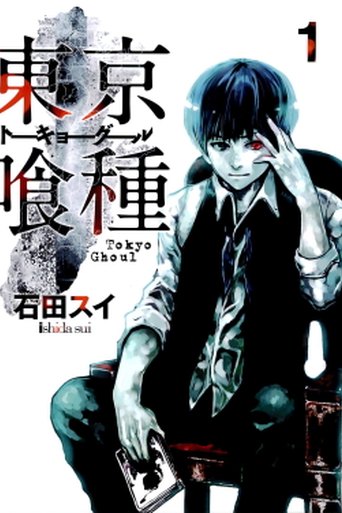
Studio Pierrot's adaptation of Sui Ishida's manga aired on Tokyo MX from July to September 2014 and became a cultural reference point for dark shonen horror. Anime News Network's Jacob Chapman rated it B+ and called it 'surprisingly cinematic,' praising director Shuhei Morita's visual style and the show's willingness to be genuinely grotesque. The season condenses the manga's first arc into 12 episodes, a pace critics noted sacrifices character depth - supporting ghouls in particular - in favour of propulsion. The IMDb audience rating settled at 7.7 across a large voter base. The first season stays relatively close to Ishida's source material, and critics consistently rate it the strongest of the franchise's television run. Kaneki's psychological deterioration in the final episodes, and the infamous torture sequence, generated significant critical discussion about the show's tonal ambitions.
BollyAI hasn't watched this. BollyAI has read everyone who has.
The Room
“Tokyo Ghoul is a surprisingly cinematic anime, and not just in the well-animated fight scenes.”
Anime News Network
Standout Episodes
The hours worth arguing about — premieres, finales, and the turning points. BollyAI reads the room episode by episode.
- E1Tragedy8.0
The premiere establishes the series' core horror mechanics swiftly - Kaneki's ordinary student life, the ghoul attack, and the surgical aftermath. Critics at ANN noted the episode's willingness to be graphically unsettling from the outset and highlighted Morita's directorial confidence in the action sequences.
The moment: Rize's transformation in the alley - the show's first real declaration that this is not a tame adaptation.
- E12Ghoul8.5
The season finale depicts Kaneki's transformation after prolonged torture - a shift in his character that divides critics between those who found it earned and those who felt the censorship of the broadcast cut too much visceral detail. The central image of Kaneki's changed psychology is unmistakable.
The moment: Kaneki cracks his fingers and accepts what he has become - the visual that defined the series' cultural footprint.