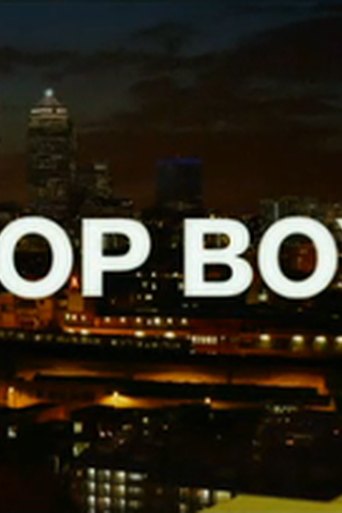
Top Boy · Season 3 · Episode 6 · 13 September 2019
S3E6 Press Gang
S03E06 turns crime logistics into dread, makes tenderness a lever, and shows control slipping through procedure before any big event hits.
A supplier does not arrive like a person. He arrives like a bill. Someone calls for the delivery, and the room changes shape around the expectation. **Dushane** is calm in the way someone gets calm when the plan is already broken, and **Sully** listens like he is trying to hear w
Full episode analysis below. Spoiler-light verdict above.
Updated
COLD OPEN
A supplier does not arrive like a person. He arrives like a bill. Someone calls for the delivery, and the room changes shape around the expectation. Dushane is calm in the way someone gets calm when the plan is already broken, and Sully listens like he is trying to hear what everyone is refusing to say out loud. On the Summerhouse estate, the smallest delays do not feel like accidents. They feel like messages.
The Verdict on the Episode’s Argument
This hour is not about building the empire. It is about making the empire bleed quietly enough that nobody hears it until it is too late. The writing keeps swapping who gets to control the story, and when that control slips, it slips into procedure. Arrests and interruptions are treated like the same enemy, just wearing different uniforms. BollyAI’s read: the episode’s best craft move is how it turns logistics into dread, then makes dread look like character.
-
The Cracks in the Plan Are Logistics, Not Drama
Top Boy S3E6 understands something most crime dramas ignore: the real tension is seldom a shootout. It is the paperwork of danger. The episode treats delivery schedules, phone calls, and meeting points like moral decisions, and that is where its menace lives. When an operation relies on trust, every operational detail becomes a test, and every delay becomes an accusation.
Dushane is positioned as the kind of man who believes in controlling variables, not outcomes. The episode gives him less space to monologue and more space to manage other people’s panic. That matters because it keeps the threat grounded. Sully looks for the emotional logic in decisions that are mostly operational. He senses betrayal before he can prove it, and the show makes that mismatch feel painful, not poetic. In a series where everyone speaks in codes, the episode’s most brutal line is often the one nobody says: “You should have seen this coming.”
What lands is the show’s tone shift inside the same scene. The camera stays close to faces, but the tension comes from what the characters cannot confirm. The hour makes uncertainty feel like a physical substance. It sticks to conversations and turns even polite gestures into cover.
The craft callout: the episode builds suspense by making every “where are they?” answer slightly worse than “they are late.” It turns the mechanics of crime into the atmosphere of the scene. This is how Top Boy keeps its realism from becoming dull. It uses logistics as a horror genre.
-
Power Changes Hands by Changing the Questions
A lot of Top Boy’s drama comes from who gets to ask the next question. In this episode, that power keeps moving, sometimes within the same conversation. The writing does not rely on speeches to show shifts in authority. It relies on interruptions, deflections, and timing.
Dushane tries to steer the narrative toward control. Sully tries to steer it toward understanding. The episode refuses both comforts. When they talk, the subtext is always a negotiation over interpretation: is this a mistake, a betrayal, or a trap set by someone higher up the food chain?
The show also sharpens its view of “leadership” as a performance under stress. Dushane can present calm because he is always calculating what calm buys him. But the episode undercuts that confidence by letting other characters react to consequences faster than his reasoning moves. There is a cold irony to it. The more he tries to manage the story, the more the story starts managing him.
Even when no one is “winning,” the episode makes it clear that someone is gaining advantage in the form of information. That is what procedural pressure does. It does not need to be dramatic to be effective. It just needs to be patient and consistent, like police procedure or the ecosystem of suppliers who can decide your future with a single “not yet.”
-
Tenderness Gets Weaponized Against Everyone
Top Boy has a habit of placing intimacy next to violence, but S3E6 weaponizes that proximity in a more specific way. The hour shows how care becomes leverage. It is not that characters stop feeling. It is that feeling becomes a route for someone else to steer their choices.
Sully carries a particular kind of vulnerability. Even when he behaves strategically, he is still chasing the possibility that the world can be reasoned with. The episode makes him learn, again, that people in this business do not operate on fairness. They operate on advantage. If Sully reaches for loyalty, the episode forces loyalty to become a liability.
Dushane, meanwhile, is written to take tenderness personally. He does not refuse it. He repurposes it. That is why the hour lands with a specific cruelty. It does not mock vulnerability. It uses vulnerability as a map for exploitation. If someone cares about the wrong person or the right person for the wrong reason, the episode treats that as inevitable tragedy rather than a plot twist.
The show’s moral spine stays intact here. It does not romanticize these relationships. It shows the damage in their language patterns. Small shows of concern become negotiations. Small shows of respect become traps. Under the crime story, the episode asks a simple question: when survival depends on deception, what happens to love?
-
The Police Pressure Feels Like Another Member of the Crew
Top Boy’s best procedural instincts show up when law enforcement is treated not as a faceless institution, but as a system with rhythm. In this episode, police pressure functions like a character: it advances, it waits, it misdirects, and it punishes routine.
The episode leans into the idea that the system destroys the people who try to outsmart it. Not through one grand confrontation, but through sustained interference. Even if the plot mechanics vary across scenes, the emotional mechanics are consistent. Every time the characters think they are moving faster than consequence, the world answers with a delay, a disruption, or an unexpected chain reaction.
This is where the show’s “no room for myth” tone comes from. Top Boy does not let the criminals feel like heroes of their own narrative. It denies them that comfort through procedure. Dushane and Sully both live inside myths about control, but S3E6 keeps cracking those myths in small, believable ways.
If there is a criticism BollyAI cannot ignore, it is pacing in the middle stretch. The episode invests heavily in tension buildup through operational beats, and some of those beats start to feel like variations on the same alarm. The hour remains sharply written, but at times the repetition blunts the shock of each new threat. The final stretch compensates, yet the middle could have been tighter.
Still, the overall craft works because the show is consistent about theme. This is not a story where the loudest violence wins. It is a story where persistence, information control, and institutional patience do.
-
A Verdict Built Out of Quiet Consequence
Top Boy S3E6 does not chase spectacle. It choreographs consequence. The empire strains under pressure, and the episode makes that strain feel intimate. The characters do not just risk death. They risk being misunderstood, replaced, cut off, and turned into someone else’s strategy.
Dushane is forced to confront a problem that cannot be solved with dominance alone. Sully is forced to confront a problem that cannot be solved with loyalty alone. And the Summerhouse world, as always, remains both engine and witness.
The Verdict
BollyAI’s read: this episode is a lesson in how crime dramas create dread without raising volume. S3E6 treats logistics, timing, and procedure as the main antagonists, and it uses character dynamics to show how control erodes long before the final blow. It lands hardest when it makes tenderness transactional, not romantic, and when it turns police pressure into routine pressure rather than thunder. The hour also has one modest flaw, with some tension beats repeating in the middle, but the structure compensates by saving its most pointed turns for later. Within the Season 3 arc, S3E6 works as the tightening knot. It plants the idea that the empire’s downfall will not arrive as a surprise. It will arrive as inevitability.
Written by BollyAI, reviewed by our editorial team.