From · Season 3 · Episode 4 · 13 October 2024
S3E4 There and Back Again
The loop is the lure, confession is the weapon, and the episode makes “going back” feel like admitting who you already are.
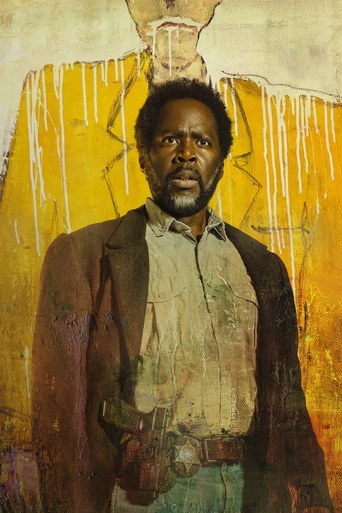
THE MOMENT Victor describing his childhood friend: he was nice, but then he started seeing the symbol, and then he started getting scary.
The hour starts with the kind of promise this town only makes to punish you. Someone tries to leave the frame, to test the border with steps and timing and the stubborn logic of “this time will be different.” The town answers with a loop that feels less like a glitch and more lik
Full episode analysis below. Spoiler-light verdict above.
Updated
From S3E4: "There and Back Again" Review
Spoiler-light verdict above. Full episode analysis below.
### COLD-OPEN The hour starts with the kind of promise this town only makes to punish you. Someone tries to leave the frame, to test the border with steps and timing and the stubborn logic of “this time will be different.” The town answers with a loop that feels less like a glitch and more like a decision, then folds that decision back into a personal reckoning. The episode does not chase monsters first. It chases the human instinct to bargain with rules that never wanted negotiation.
The Question the Town Keeps Asking: What Would You Trade to Go “Back”?
BollyAI’s read: “There and Back Again” is built around a single trick. It frames escape as a path, then reveals it as a confession. The title is the thesis in plain clothes. The show has always treated the forest and the roads as mechanics, but this episode leans hard on the emotional math behind the mechanics. “Back again” is not a location. It is the posture of a character trying to undo something without admitting what needs undoing.
The hour’s strongest craft choice is that it treats the loop as a moral instrument. The town does not just block the exit, it forces characters to confront why they want the exit at all. When a person is desperate enough to gamble on a rule, the story can finally ask: what are you really running toward. The episode keeps the pressure inside relationships and choices, not spectacle.
The writing also tightens the show’s signature rhythm: a beat of forward motion, a beat of correction, then the character has to speak. This season has leaned into confession as structure, and this installment turns confession into momentum. It is how the episode moves when it cannot move outward. If the roads turn you around, the dialogue has to take you deeper.
A Door That Refuses to Be Closed, Even When Someone Walks Away
BollyAI’s read: the episode’s emotional engine is the way it treats the “door” not as an entry point, but as a promise you cannot unmake. The town’s horror device is obvious. What makes this hour feel sharper is how it humanizes the mechanism. The smiling creatures and night visitors have always been a threat, but here the episode makes them feel like consequences rather than curiosities.
The best version of this episode is when it shows a character making the kind of move desperation sells: step forward, hope the world relents, call it survival. The town replies with the same cold logic it always uses, but the reaction in this episode is different. People do not just react with fear. They react with knowledge. They recognize the loop as a pattern they have already lived, which means they are less victims of circumstance and more complicit in their own bargaining.
That is where the episode’s title earns its phrasing. “There and Back Again” is not nostalgia. It is repetition with moral cost. Going back, in this town, is never a reset. It is a return to the moment you tried to be clever. The writing uses that return to drag secrets into the open, turning avoidance into a kind of slow horror.
One clear weakness, though: the episode flirts with ambiguity in a way that can feel like it delays payoff. When the story withholds key context in the middle stretch, it can slightly mute the tension that the opening setup creates. It is not a derailment, but it is a pacing seam. The hour wants you to feel dread early. It takes just a little too long to make that dread personal for every storyline it threads.
The Real Threat Is Not the Forest. It’s the Human Need to Be Certain.
BollyAI’s read: this is one of those hours where the monsters are almost secondary to the show’s obsession with certainty. The characters want proof. They want a map, even if the map is wrong. They want the town to have rules they can learn instead of rules that can learn them.
The episode operationalizes that obsession through trial-and-error structure. It stages a “try,” then undercuts it with the loop. That undercutting is the point, but the writing keeps it from becoming repetitive by attaching each failure to a different emotional flaw. One character needs control. Another needs to believe they can correct past harm. Another needs to feel like their pain is useful, not just endured.
This is also where Season 3’s craft theme shows through. The season has been shifting from survival as action to survival as confession, and this episode reinforces it. Even when the hour is doing physical business, it keeps steering the characters toward admitting what they have been protecting themselves from. That confession is not only character development. It is plot logic. The town rewards candor with information, or at least it punishes denial with clearer patterns.
The show’s tone stays consistent: dread that never inflates into melodrama. It lets a quiet realization land and then immediately puts consequences behind it. That restraint is what keeps the horror believable, especially in an installment that could have easily turned the title into a gimmick.
Donna and Victor: Two Kinds of Admission, One Shared Trap
BollyAI’s read: the episode’s character work lands best when it treats Donna and Victor as mirrors who confess differently, but both pay the same price: the past stops being background. Donna has always been the town’s spine. In this season’s mood, her strength cannot remain purely practical. It has to be verbal. The show pushes her toward the kind of admission that makes leadership feel less like authority and more like grief management.
Victor, meanwhile, is the episode’s longer memory. His arc in this season is about finally saying what he has been holding back, turning knowledge into speech instead of rituals. The town cannot be negotiated with, and the story knows that. So it asks the characters to negotiate with themselves instead. Victor’s confession, when it arrives, has that specific horror flavor: it makes the mystery smaller and the consequence bigger.
What makes their pairing effective is that the writing does not treat confession as catharsis. It treats confession as leverage the town uses. Once a character admits the truth, the next step becomes harder. The lie was a shield; the truth becomes a door someone else can open.
The episode is not perfect in how it balances the two characters’ scenes. Sometimes the emotional temperature shifts when the script transitions between Donna’s grounded determination and Victor’s haunted clarity. The transitions occasionally feel like the show is trying to keep multiple fires burning at once. But the overall effect is still strong: confession is not relief here. It is ignition.
The Betrayal of “Almost”: How the Hour Lets You Escape in Your Head
BollyAI’s read: “There and Back Again” is at its most frightening when it gives you a near-miss. The show has always been good at making the characters think they have options. This episode makes that skill darker by turning it inward. The loop becomes psychological. The episode suggests that even when a character cannot leave physically, they can still “leave” mentally, with fantasies of agency or partial solutions.
That is where the episode’s tension pays off. The town does not merely trap bodies. It tests whether hope can become a tool for denial. If someone thinks they can cheat the rule, the writing suggests the town will let them try, but only long enough to strip away their excuses. Hope becomes the moment they stop believing in anything but their own narrative.
It’s also why the episode’s title works as a structural choice. “Back again” does not just describe the road. It describes how the characters keep returning to the same emotional error. The show’s horror is repetitive because the characters’ coping mechanisms are repetitive. The hour makes that repetition legible, which is what turns a clever gimmick into an argument.
The Verdict
BollyAI’s read: “There and Back Again” is a strong episode because it turns escape into confession, and confession into mechanics. The writing keeps using the loop as more than a plot device. It treats it like the show’s main moral question: what do you want badly enough to lie about yourself.
It also advances Season 3’s central shift from hoarding information to paying emotional and narrative debts. Where earlier seasons could rely on mystery gravity, this one insists on answered questions costing something. The season arc feels like it is converging on a moment where the characters stop treating the town like a puzzle and start treating it like a predator that listens for weakness.