From · Season 4 · Episode 6 · 31 May 2026
S4E6 The Heart Is a Lonely Hunter
This hour weaponizes loneliness as access, making one compassionate choice a literal door the town can use.
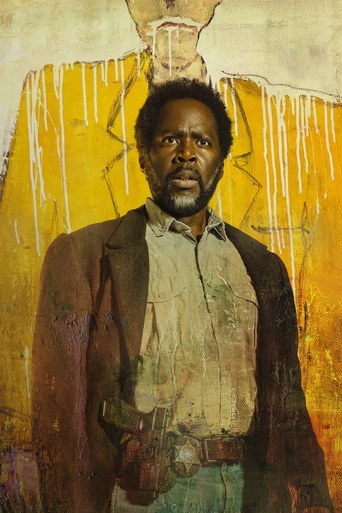
THE MOMENT What Victor has been carrying alone since childhood, finally said out loud. The man in yellow stops being a mystery and becomes a memory.
A person crosses a line they have been avoiding for weeks. Not with a gun or a plan, but with a small choice that looks like help until it becomes a door left ajar. The hour tracks the aftermath in quiet increments. Something in town reacts the way a predator reacts, not to noise
Full episode analysis below. Spoiler-light verdict above.
Updated
From S4E6: "The Heart Is a Lonely Hunter" Review
Spoiler-light verdict above. Full episode analysis below.
COLD OPEN
A person crosses a line they have been avoiding for weeks. Not with a gun or a plan, but with a small choice that looks like help until it becomes a door left ajar. The hour tracks the aftermath in quiet increments. Something in town reacts the way a predator reacts, not to noise, but to invitation. When the night creatures circle back, the episode makes one thing clear: the town does not punish chaos. It punishes access.
The Verdict That Rules the Episode
This hour turns “the heart” into a literal vulnerability. From makes loneliness actionable, then treats that action like an opening in the world’s defenses. The writing does not just explore grief. It weaponizes it, letting one seemingly compassionate choice become the season’s newest lever.
-
## A Tender Lie With Teeth
The episode’s title does real work because it argues against the common horror fix. This show could have made loneliness a background emotion. Instead, “The Heart Is a Lonely Hunter” frames loneliness as a method: the creatures and the town both learn what you want, then offer it in a form you can touch.
The episode’s center of gravity is emotional access. Characters do not get “attacked” the way slasher logic would demand. They get approached when their guard is down, when the conversation turns private, when the night’s promise sounds like it might be mercy. Loneliness is the lure, not the mood.
BollyAI’s read: this is the episode where the series finally stops treating the monsters as the only antagonists. The town itself behaves like a predator with a psychology. It waits for the specific kind of desire that convinces you to step closer to the threshold.
Where it lands is in the beat-work. The writing gives enough time for hope to form, then denies it the comfort of being “wrong in a random way.” The cruelty is ordered. The episode makes sure the audience understands the mechanism: if you present your need as an invitation, the world will accept the RSVP.
-
## Doors, Not Dread
From the earliest minutes, the episode treats the fear as secondary to the mechanism. The most consequential moments are not the loud ones. They are the small permissions. A decision to go somewhere you should not go. A decision to trust someone you have reasons not to trust. A decision to say “yes” to a conversation that feels like it is finally offering an answer.
The show’s oldest strength is that it never relies on jump scares as its philosophy. Here, that philosophy becomes sharper. The hour’s tension is structural: it keeps asking what happens when “open” becomes literal. The town has rules, but the rules are enforced through behavior. You do not get punished for noticing the horror. You get punished for giving it a handle.
BollyAI’s read: this is also where the season’s central quest phrase begins to feel less like a mystery clue and more like a behavioral curse. Those four words from the show’s earliest mythology are not just lore. They are a template for temptation. They predict the next mistake before the character makes it.
And the episode’s craft choice matters. It shows the lead-up to access, then lingers on the moment access is granted. That lingering is how From turns dread into consequence.
-
## The Character Turn That Costs Something
This episode’s real engine is a character who believes they can manage loneliness with action. Not survival action, not tactical action. Emotional action. The heart is lonely, so it tries to do what lonely hearts do. It seeks. It confesses. It makes contact.
The problem is that the town rewards contact the way a lock rewards the right key. The Heart Is a Lonely Hunter treats that as tragedy, not twist. The “turn” is subtle enough to feel earned, then sharp enough to leave damage behind.
BollyAI’s read: the hour is at its best when it refuses to make the character stupid. The character is reasonable for long enough that the audience has to sit with the inevitability of the consequence. That is the cruel part. The writing suggests the trap is not in intelligence. It is in need.
The episode also plays with the team’s internal symmetry. Some characters cope by hardening. Others cope by bargaining with the supernatural. This hour argues that both coping strategies are vulnerable, just in different ways. One side turns loneliness into armor. The other side turns it into a bridge. The town can use either.
-
## Myth-Logic: How the Season’s Old Debt Gets Collected
Season four is doing the thing From rarely commits to. It is cashing out its earliest promises. The long-armed callback to the phrase that seeded the series’ mythology lands here not as fan service, but as a functional plot device.
This episode uses the central quest like a shadow script. It keeps characters circling the same spiritual problem while the plot pretends it is about immediate safety. The writing treats the phrase like a compass and a test: do you interpret the words as comfort, or do you interpret them as warning?
BollyAI’s read: the strongest way the episode pays the debt is by making the lore interrogate behavior. The town has been a riddle for seasons. Tonight, it becomes a ledger. The story implies that every time the characters chose connection over boundaries, they accrued interest.
This is where the hour’s suspense feels different from earlier installments. It is not “What will they find?” It is “What did they promise, even accidentally, the moment they wanted something too badly?”
-
## Where the Episode Presses Too Hard
For all its control, the hour has one flaw: it can be so committed to tightening the loneliness mechanism that it compresses the emotional complexity into a single lane. The episode keeps returning to the same truth with different characters, and sometimes it reads like repetition disguised as escalation.
To be specific, the show’s cruelty is most effective when it surprises through specificity. Here, the episode leans into pattern recognition. That makes it satisfying in the moment, but it also risks blunting the shock of future turns if every loneliness beat lands with the same shape of consequence.
BollyAI’s read: the writing knows what it wants to prove, and it proves it. Still, a slightly wider emotional palette could have made the next domino even sharper. When this episode nails a betrayal-like consequence, it’s devastating. When it telegraphs the “invitation equals access” law too often, it costs a bit of oxygen.
-
## The Verdict: A Season Quest Made Physical
The Heart Is a Lonely Hunter scores because it takes a theme fans have felt for seasons and turns it into the show’s operating system for one night. The episode builds dread out of invitation, then cashes it into consequence with clean, controlled pacing. It also keeps the season’s oldest callback from floating as lore. It anchors the central quest into human behavior, and it makes that behavior costly.
BollyAI’s read on the season arc: this is a collecting episode, not a reveal episode. It tightens the loop between the series’ mythology and its rules, so the next steps in the central quest will feel less like discovery and more like final reckoning.
-