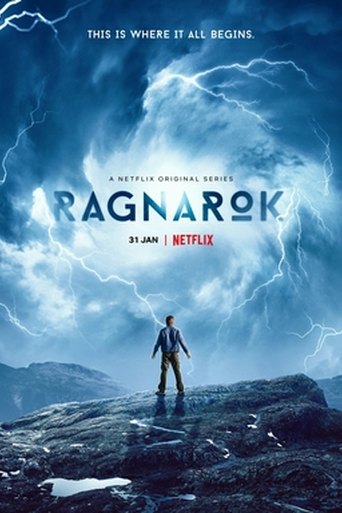
Ragnarok · Season 1 · Episode 1 · 31 January 2020
S1E1 New Boy
“New Boy” sells Thor-like destiny by first weaponizing teen chaos and industrial dread, then ending with a threat that refuses comfort.
THE MOMENT Magne catches a hammer thrown at him without flinching - the first signal that something mythological is stirring beneath the mundane surface.
In the middle of a working town that looks normal until you notice the haze, the new boy lands like a problem you cannot file away. He falls into routines, makes enemies quickly, and keeps looking past the social scripts people rely on. When storms show up at the same time the wr
Full episode analysis below. Spoiler-light verdict above.
Updated
COLD OPEN
In the middle of a working town that looks normal until you notice the haze, the new boy lands like a problem you cannot file away. He falls into routines, makes enemies quickly, and keeps looking past the social scripts people rely on. When storms show up at the same time the wrongness feels louder, the episode does not ask for belief. It asks for attention. Then it plants a darker idea under every casual conversation. The town is not just “unlucky.” It is being steered.
The Verdict: Myth as a Misdirection Engine
“New Boy” works because it treats Norse myth like a neighborhood rumor, not a superhero origin montage. The writing uses teen-drama friction, industrial pollution visuals, and small-town power dynamics to smuggle in Thor-like destiny without turning the hour into a lecture. BollyAI’s read: the episode earns its supernatural question by first building a believable human one. The “Thor?” mystery is only half the hook. The other half is the suspicion that the people who own everything have been corrupting the world in slow motion, and now a teenager has arrived with the wrong genes and the wrong timing. If there’s a weakness, it is that some of the myth-cues arrive slightly on the nose, and the emotional payoffs still need more time than one hour can fully justify. Still, the craft is clean: momentum through character conflict, atmosphere through environmental detail, and a finale button that makes the next episode feel inevitable.
Who Is This Hour Really About?
The episode’s true subject is not Thor or even the giants. It is Magi “Magne” Seier and the way a new identity changes how a town treats you. When Magne is dropped into Edda’s orbit and immediately starts rubbing against other teens, the show frames “destiny” as social pressure. He is not just the audience surrogate learning the myth. He is a teenager whose presence disrupts the local emotional supply chain. People react before they understand, and that makes the supernatural feel like an extension of normal cruelty. The hour keeps returning to the same teen-drama logic: status matters, family matters, and belonging is policed.
The town’s power structure then complicates that belonging. We meet the Seier family with enough warmth to seem like a normal industrial dynasty, and just enough chill to feel like a system. The show does not need to announce villainy with thunder. It lets the environment speak first. The factory’s reality sits in the background like a low-grade injury. When Magne notices things other people treat as background noise, it is not only mystery. It is character. The episode uses his outsiderhood to spotlight how everyone else has adapted to rot, and it positions the viewer to question the adaptation.
A Storm That Feels Like a Character
Supernatural storytelling usually does one of two things: it shows power, or it explains power. “New Boy” does neither fully. It makes weather into temperament. The hour builds toward stormy signatures, but the real trick is how it links them to Magne’s emotional volatility. He is constantly reacting. He is constantly walking into conversations that land like punches. That matters because the myth element does not feel tacked on. It feels like it is responding to who he is becoming.
This is where the Norse reframing earns its “intimate scale” reputation. The show does not chase blockbuster spectacle. Even when it nudges toward the bigger myth engine, it keeps the camera close to faces, gestures, and the way people keep secrets. David Stølan (his school existence and social positioning) and the surrounding teen group function as a pressure chamber, where Magne’s strangeness gets translated into social terms. If you are expecting a clear “Thor is confirmed” moment, the episode refuses that comfort. Instead, it keeps the supernatural as a growing discrepancy between what the world says and what the world does.
BollyAI’s craft read: the storm scenes play like narrative punctuation. They mark changes in attention and changes in threat, without demanding that viewers memorize mythology. The show trusts atmosphere and reaction, and that choice aligns with coming-of-age pacing.
The Factory as a Myth, Not a Setting
The environmental allegory is not just theme packaging here. The factory is a storytelling device that governs what characters notice and what they ignore. The episode frames industrial pollution as something that has been normalized, like an heirloom problem passed down with the lease to the land. The town looks lived-in, which is exactly what makes the contamination feel sinister. The show is careful to avoid the simplistic “evil corporation” trope. It adds family control, social leverage, and community dependency, so the threat feels systemic rather than cinematic.
That systemic threat then becomes the counterpart to Magne’s personal disruption. When he challenges boundaries, the show is also challenging the town’s comfort with compromise. The Seier family’s wealth and influence are the mechanism that lets the environment rot without immediate consequence. “New Boy” builds the suspicion that the town is maintained as a narrative, and that narrative is enforced through relationships, reputations, and subtle coercions.
The giants angle enters as dread, not exposition. Even before the myth terms fully click into place for the viewer, the show uses physical cues to suggest an older agency beneath the modern machinery. The episode’s restraint is effective: it lets the audience assemble the connection gradually. The price of that restraint is clarity. Some myth-cues can feel familiar even before they feel earned, because the show has to lean on recognizable Thor-like associations for momentum.
Destiny as Social Violence
The episode’s smartest decision is to treat “reincarnation” as a pressure system that harms people before it saves them. When Magne’s life starts bending toward something bigger than school and local grudges, the writing makes sure the bending hurts. It is not a fairytale arrival. It is a teenager being pulled into adult consequences without consent.
That framing creates tension through moral uncertainty. The Seier dynasty is not just “the rich people.” They are the people with the ability to redirect danger, to label threats, and to convert private fears into public narratives. The episode hints that the town’s leadership has been steering events for a long time, which makes Magne’s discovery feel less like a chosen blessing and more like the inevitable fracture of a long-managed lie.
BollyAI’s criticism, fairly: the “new boy” device pushes the plot forward efficiently, but it also means some of the early reactions risk feeling a touch pre-structured, as if the town already knows what kind of story it is living in. Still, the character chemistry covers for it. The teenage confrontations feel real enough to keep the supernatural question from turning into pure puzzle-box.
The Ending Button That Refuses Closure
A strong season opener usually promises a destination, not just a mood. “New Boy” promises both, but it keeps the destination cloudy on purpose. The episode ends with a forward shove, where the supernatural question upgrades into a threat question. The viewer is not only meant to wonder what Magne is. The viewer is meant to wonder what someone will do to prevent him from becoming the truth.
That choice matters for how the series sustains its slow burn. If the season started with full myth explanation, it would lose the teen-drama fuel that makes the mythology matter emotionally. Instead, this hour keeps the myth in motion. It ends on a note that suggests the world is already reacting, already aligning, already preparing the next conflict. The town’s environment will not stay background. It will become evidence.
The Verdict
“New Boy” is a deliberate start: it builds destiny through social friction, makes pollution feel like active character work, and uses Norse myth as a slow-rolling interruption rather than a quick spectacle. BollyAI’s read: the episode earns momentum by grounding every supernatural tease in teen discomfort and community power, so the myth never floats free of the theme. The tone stays controlled, which supports the series’ larger idea that the big apocalypse is made of small, daily choices enforced by families who own the machines and the narrative.
Next episode promise, one sentence: the season will likely keep tightening the link between Magne’s transformation, the Seier family’s control, and the environmental consequences that are already underway.