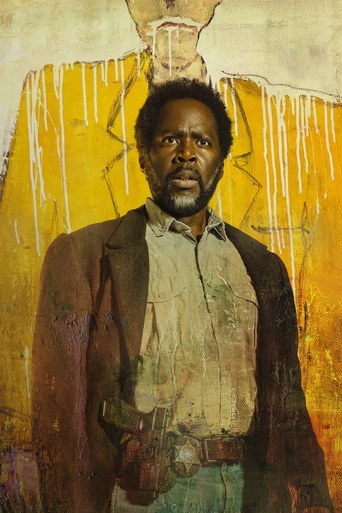
From · Season 4 · Episode 1 · 19 April 2026
S4E1 The Arrival
S04E01 turns arrivals into rule tests, building dread through pacing and systems, not monsters, while setting the oldest quest in motion.
THE MOMENT The euphemism at 17:01: just making sure there's enough, just in case. The show trusts you to do the math it refuses to say aloud.
The town’s usual rule is simple: don’t trust what you see when the night feels too calm. Then a road where no road should be bends into place, like the forest is making room. A new set of footsteps arrives with morning light on their shoulders, and the first breath they take in t
Full episode analysis below. Spoiler-light verdict above.
Updated
From S4E1: "The Arrival" Review
Spoiler-light verdict above. Full episode analysis below.
### COLD-OPEN The town’s usual rule is simple: don’t trust what you see when the night feels too calm. Then a road where no road should be bends into place, like the forest is making room. A new set of footsteps arrives with morning light on their shoulders, and the first breath they take in town lands wrong. It is not just danger. It is direction. The hour watches the newcomers try to treat the place like a puzzle with answers instead of a trap with a schedule.
-
Who Is This Hour Really About?
BollyAI's read: "The Arrival" is not an “introduce the new people” hour. It is a “re-anchor the town’s oldest promise” hour, with the arrivals functioning as proof that the place is still doing business. The show has always used newcomers as mirrors, but this premiere makes the mirror do something darker: it reflects the town’s intent. The cold open is not content to scare. It establishes a mechanism. The arrival does not feel like coincidence. It feels like a delivery.
That focus matters for season four. By placing a phrase from the series’ first episode at the center of the season, the show is effectively telling its audience the oldest debt has a name, and it is due now. This premiere doesn’t rush to pay it off. Instead, it sets up the conditions for payment: someone has to notice the pattern, someone has to survive long enough to say it out loud, and someone has to pay the price for speaking the wrong truth at the wrong time.
The Arrival leans on that philosophy by splitting attention between town routines and outsider urgency. The town continues its daily grimness, but the newcomers bring questions that the locals have learned not to ask. That contrast becomes the episode’s thesis. The show is “about” fear, yes, but also about memory. What you remember keeps you alive. What you ignore kills you. BollyAI’s craft note: the writing makes you feel how thin that line is by timing its first real turn around the arrival’s most naive assumption, not around a monster reveal.
Major characters introduced or emphasized in this episode’s structure: - The Arrivals: used as an instrument to test the town’s rules. - The Locals: used as an instrument to show the rules have already been learned the hard way. - The Season-Quest Phrase-bearer energy: not always literal exposition, but the hour keeps orbiting the same central idea, as if the episode itself can smell the callback.
-
Pacing as a Weapon: Welcome, Then Correction
This episode’s biggest craft move is its rhythm. It doesn’t sprint into the horror. It stages a comfort period long enough for the audience to buy into the newcomers’ optimism. The scene construction is meticulous in the way it withholds information. The show lets you watch someone approach the town like it is just another bad circumstance. Then it corrects them.
BollyAI’s read: the arrival beat is designed like a trap that snaps shut in phases. First, the town tricks the characters into thinking they are progressing. Next, it makes progress feel expensive. Finally, it forces them to learn the real rule. That incremental education is why the hour feels tense even when nothing “big” happens. It is teaching with consequence.
The episode also plays with location. The town is famously labyrinthine without being visually random. Here, the writing leans into that consistency. Even when the story uses a new entry point or a new arrival group, the town’s logic stays the same. That choice prevents “new season energy” from turning into reset-button chaos. You get the sensation that the story is evolving, but the trap is not.
The critique lands in how efficiently the hour sometimes transitions from discovery to danger. BollyAI’s criticism: there are moments where the episode gives the audience the sense of a planned escalation, but it then pays it off quickly enough that the arrival’s emotional reaction risks feeling compressed. Horror often needs a small pocket of denial, a full breath where fear becomes belief. This premiere occasionally swaps that for momentum. It is effective, but it trims a little tenderness from the newcomers’ panic.
-
The Forest’s New Face: Rules, Not Monsters
The forest in From is not just scenery. It is the show’s memory. When the episode leans into the town’s outdoor logic, it stops treating monsters as the only threat and starts treating the place as an intelligence that follows procedures. The arrival’s first night becomes less about “what will attack” and more about “what the town wants the newcomers to do next.”
BollyAI’s read: this is where season four’s “oldest debt” theme bites hardest. The arrival functions like a delivery system for information. The show wants the season-quest phrase to feel less like a clue and more like an instruction the town is enforcing from the inside. In earlier seasons, the mystery was a puzzle box. In this premiere, the mystery behaves like an agent.
The episode’s handling of fear is telling. It does not rely solely on jump scares or sudden violence. It uses behavioral dread, the kind that comes from watching people make choices under pressure. When a character decides to go toward the sound instead of away from it, the hour frames that decision as a symptom of something larger: you cannot out-think the town unless you understand its pattern. That is the episode’s spiritual argument. The show isn’t “solving” the horror. It is describing how the horror solves you.
-
The Door Problem: Smiles Are Instructions
From has always treated “the smiling creatures” as more than predators. The hour turns that idea into a craft principle. BollyAI’s read: the premiere treats the door as narrative grammar. The creatures do not merely appear. They “request” behavior, and the episode tests which characters can resist performing the action the town is trying to cue.
This is where the episode’s central tension sharpens. The arrivals are new, but their instincts are universal: curiosity, suspicion, the need to help, the need to prove they can control the environment. The show weaponizes those instincts. It plants the sense that the town is watching for a specific kind of mistake, not just any mistake.
The episode’s emotional payoff is not the existence of threat. It is the moment characters realize the threat is conditional. That is a horror upgrade. Monsters are scary. Conditioning is scarier because it makes you responsible for your own harm. BollyAI’s craft note: the best scenes here are the ones that show characters acting like they are still living in the outside world. The hour punishes that illusion with clarity.
-
The Callback Engine: Paying the Old Debt Without Pretending It’s Easy
Season four’s hook is the oldest phrase becoming the longest-armed callback. A premiere has to do two things at once: honor the history and prove it can still surprise. BollyAI’s read: "The Arrival" balances those needs by orbiting the quest phrase with structure rather than exposition. It does not just state that “this matters.” It builds scenes that feel like the town is tightening around the idea.
The episode also sets up how the season will collect debt in practice. The show’s mystery work has never been about one big reveal. It is about accumulation: patterns, repeated symbols, consistent rules. This premiere functions as a recommitment to that accumulation. The arrivals bring fresh eyes, but the writing keeps returning to old knowledge, old warnings, and old consequences. That choice makes the season-quest feel earned rather than retroactively convenient.
The hard part is landing stakes without cheap doom. This hour mostly avoids manufactured melodrama. It keeps tension rooted in behavior, not speeches. The one place where it risks overreaching is in how confidently it suggests that the season’s central quest is already “active” in the town’s present-tense mechanics. That’s a fair dramatic direction for a premiere, but it needs the next episodes to respect how slowly trust is supposed to form in this world.
-
The Verdict
BollyAI’s verdict: "The Arrival" earns its title by making arrival itself the mechanism of dread. The hour uses newcomers as rule-tests, not as relief, and it frames the forest and the door as parts of the same system. When the episode corrects optimism, it does it with pacing discipline: a gradual education that ends in consequence, not spectacle.
The score would be higher if the premiere always gave emotional denial the time it deserves, but the craft choice to prioritize momentum over lingering panic is still effective for a season opener. It plants the season four quest without detonating it, and that restraint fits the show’s best strength.
Season-arc sentence: Season four starts by turning the oldest phrase into a living enforcement, setting up a season where the town’s long memory finally cashes its check in real bodies.
-